
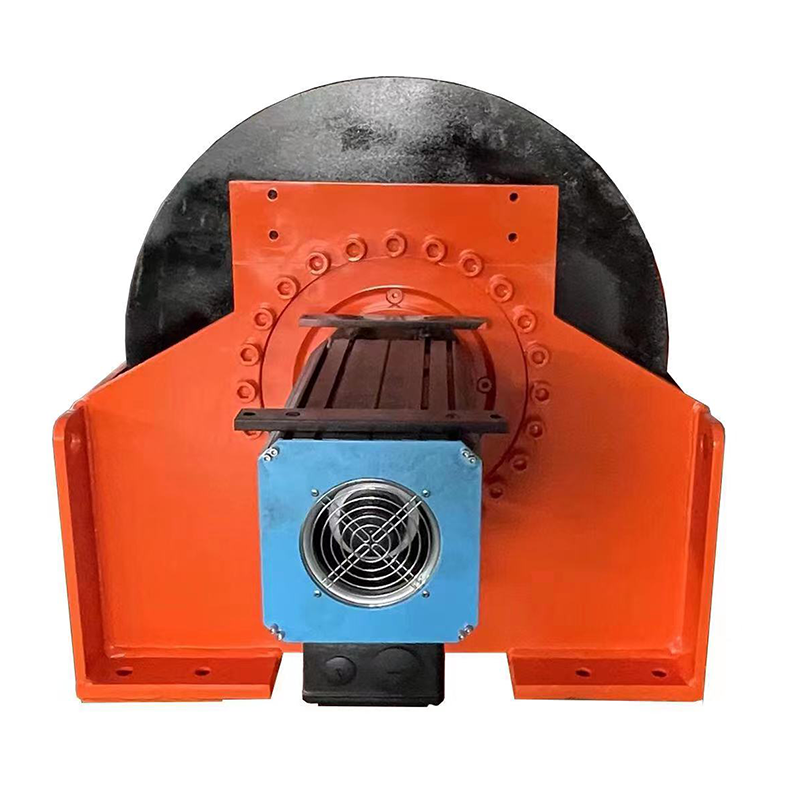
A well-maintained hydraulic winch delivers consistent performance on demanding job sites. Proper care reduces unexpected downtime and enhances workplace safety. Operators and maintenance teams who follow expert guidance notice increased reliability and lower repair costs. These practical strategies help extend equipment lifespan and ensure smooth operation every day.
Key Takeaways
- Perform daily visual inspections to catch wear, leaks, and damage early, preventing costly breakdowns and ensuring safe operation.
- Keep the winch clean and well-lubricated using manufacturer-recommended fluids to reduce friction, control heat, and extend equipment life.
- Follow a regular maintenance schedule with proper fluid care, cable checks, and professional inspections to maintain reliability and avoid unexpected failures.
Hydraulic Winch Regular Inspections
Visual Checks for Wear and Damage
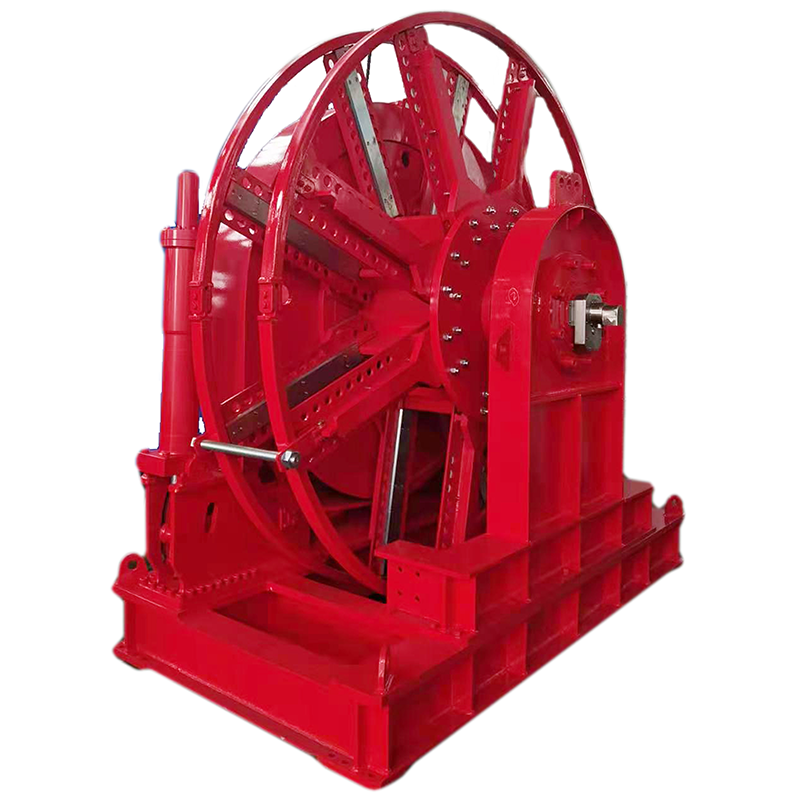
Routine visual inspections form the foundation of hydraulic winch maintenance. Operators should look for signs of wear, cracks, or deformation on traveling wheels and wheel rims. Brake pads and brake wheels often show early signs of wear. Loose or worn coupling connections can lead to operational issues. Inspectors also check for insufficient or poor-quality lubricant in the gearbox and reducer. These checks help prevent unexpected failures and extend the service life of the hydraulic winch.
Common issues identified during inspections include:
- Wear and cracking of traveling wheels
- Deformation and wear of wheel rims
- Oil leakage from the reducer
- Brake system malfunctions
- Loose or worn coupling connections
- Motor tightness and protection issues
Inspecting Mounting and Fasteners
A secure mounting system ensures safe operation. Inspectors verify that the mounting location can handle the hydraulic winch’s maximum pulling capacity. They use only factory-approved hardware, rated at class 8.8 metric or better. Bolts must not be excessively long, and proper thread engagement is essential. All fasteners, including lock nuts and bolts, require regular tightening. Avoid welding mounting bolts, as this can weaken the structure. Completing winch installation and hook attachment before wiring installation maintains system integrity.
Identifying Leaks and Unusual Noises
Leaks and abnormal noises often signal deeper problems. Damaged seals, burst hoses, or faulty connections cause most leaks. These issues reduce efficiency and create safety hazards. Unusual noises, such as banging or knocking, may indicate worn bearings, gears, or air contamination in the hydraulic fluid. Aeration and cavitation can lead to erratic movement and overheating. Regular inspection of seals, hoses, and pump intake lines helps prevent these problems. Early detection allows for timely repairs and keeps the hydraulic winch operating smoothly.
Tip: Daily visual inspections before each shift help catch issues early and ensure safe operation.
Hydraulic Winch Cleaning and Lubrication

Cleaning Exterior and Key Components
Operators maintain peak performance by keeping the hydraulic winch clean. Dirt, mud, and debris can accumulate on the exterior and around moving parts. These contaminants may cause premature wear or block proper lubrication. Regular cleaning with a soft brush or cloth removes buildup from the drum, cable, and housing. Paying close attention to vents and seals prevents dirt from entering sensitive areas. A clean winch not only looks professional but also operates more efficiently.
Tip: Always disconnect power and relieve system pressure before cleaning any hydraulic equipment.
Proper Lubrication Techniques
Industry experts recommend a systematic approach to lubrication. The following best practices help extend the life of every hydraulic winch:
- Select hydraulic fluids according to manufacturer specifications for compatibility and performance.
- Maintain fluid cleanliness by replacing seals and filters regularly.
- Lubricate moving parts frequently, especially hydraulic lifts, bearings, belts, chains, and pulleys.
- Monitor components daily for wear and alignment issues.
- Conduct regular fluid analysis to detect contaminants early.
- Use lubrication to reduce friction, control heat, and prevent corrosion.
- Employ OEM-certified service providers for specialized maintenance.
Consistent lubrication reduces friction and heat, which protects internal components from damage.
Choosing the Right Lubricants
Manufacturers stress the importance of using only recommended lubricants and hydraulic oils. Following the operator’s manual ensures proper intervals for oil changes and lubrication. Contaminants such as water, air, or dirt degrade oil quality and can lead to system failure. Regular oil changes, at least once a year under normal conditions, keep the hydraulic winch running smoothly. In harsh environments or heavy-duty applications, more frequent changes may be necessary. Proper cooling systems also help maintain oil integrity and prevent overheating.
Hydraulic Winch Fluid Care
Checking Fluid Levels and Quality
Operators ensure reliable performance by checking hydraulic fluid levels and quality on a regular basis. They follow a systematic approach:
- Maintain fluid at the manufacturer-specified level to prevent system damage.
- Inspect hoses and fittings for leaks or damage to avoid fluid loss.
- Examine fluid for contamination, such as particles, water, or discoloration, and address any abnormalities immediately.
- Monitor operating temperature, as high temperatures can degrade fluid quality.
- Store hydraulic fluid in a clean, dry, and temperature-controlled environment before use.
These steps help keep the hydraulic winch running efficiently and extend its service life.
Replacing or Topping Up Hydraulic Fluid
Routine fluid maintenance supports optimal winch operation. The following table summarizes recommended schedules from leading manufacturers:
| Frequency | Hydraulic Fluid Maintenance Tasks |
|---|---|
| Daily | Check oil levels in tanks; inspect for leaks, water, dirt; monitor oil temperature and pressure; clean surfaces. |
| Weekly | Inspect hydraulic connections for tightness and corrosion; refill oil if needed. |
| Annual | Drain and clean oil tank; flush piping; refill with filtered oil; inspect hydraulic system components. |
Operators top up fluid as needed during daily checks and perform a complete replacement annually. This routine prevents performance issues and reduces the risk of costly repairs.
Preventing Contamination
Contamination poses a major threat to hydraulic systems. Operators use several strategies to keep fluid clean:
- Change filters regularly to remove wear particles.
- Fix suction leaks and maintain seals to prevent air and water entry.
- Drain water from reservoirs and use specialized equipment to remove moisture.
- Follow manufacturer guidelines for fluid handling and storage.
- Maintain a clean work environment and use closed-loop systems for fluid transfer.
Proper disposal of used hydraulic fluids also protects the environment. Many agencies require eco-friendly fluids that biodegrade quickly and reduce harm to soil and water. Compliance with these regulations supports sustainability and prevents environmental damage.
Hydraulic Winch Cable and Component Checks
Inspecting Winch Cable or Rope
Operators must inspect winch cables or ropes before every use. Safety organizations highlight several warning signs that indicate wear or damage. Fraying, cut strands, and powdered fiber suggest internal abrasion. Glossy or glazed areas point to heat damage. Flat spots, bumps, or lumps may signal core separation or internal failure. Discoloration often results from chemical exposure, while changes in texture or stiffness can mean embedded grit or shock damage. Even minor defects can lead to sudden failure. Proactive replacement of worn ropes prevents accidents and keeps the hydraulic winch operating safely.
Tip: Maintain a detailed log of cable inspections and follow manufacturer guidelines for replacement schedules.
Examining Drum, Hooks, and Pulleys
Routine checks of drums, hooks, and pulleys ensure reliable lifting and pulling. Operators look for cracks, wear, or deformation on drums. Hooks and latches must function properly and show no signs of damage. Pulleys, also called sheaves, require smooth operation and should not have visible cracks or excessive wear. The table below summarizes key inspection criteria:
| Component | Inspection Criteria |
|---|---|
| Hooks and Latches | Damage, deformation, proper function |
| Drums | Wear, cracks, damage, mechanical function |
| Pulleys (Sheaves) | Wear, cracks, damage, smooth operation |
Replacing Worn or Damaged Parts
When operators find worn or damaged parts, they follow a systematic replacement process:
- Identify visible issues such as cracks, leaks, or loose bolts.
- Disassemble the affected area and clean all components.
- Inspect critical parts like seals, rods, and hydraulic cylinders for wear or aging.
- Replace faulty components with manufacturer-approved parts.
- Reassemble and test the hydraulic winch to confirm proper operation.
- Record all repairs and replacements for future reference.
Prompt replacement of compromised parts ensures safety and extends equipment lifespan.
Hydraulic Winch Maintenance Schedule
Creating a Routine Maintenance Plan
A structured maintenance plan keeps a hydraulic winch operating at peak performance. Industry standards recommend a checklist approach to ensure no critical step is missed. Essential elements include regular oil checks, filter changes, rod and seal inspections, and monitoring of hydraulic lines. Operators should also check fluid levels, maintain breather caps, and inspect pipes and hoses for damage. System temperature monitoring helps detect overheating early. Following a routine plan reduces the risk of unexpected failures and supports long-term reliability. Research shows that preventive maintenance scheduling based on reliability models lowers failure probability and keeps equipment available for demanding tasks.
Tip: Use a calendar or digital reminder system to schedule each maintenance task and avoid missed intervals.
Keeping Maintenance Records
Accurate maintenance records provide a clear history of every inspection, repair, and replacement. Operators should document inspection results, maintenance actions, and parts replaced. Keeping certificates, test records, and operational parameters organized supports regulatory compliance and future servicing. Auditable records of brake tests and clearly marked winch settings help crews operate equipment safely. Comprehensive documentation also enables predictive maintenance planning, allowing teams to address issues before they become critical.
| Record Type | Purpose |
|---|---|
| Inspection Logs | Track condition and findings |
| Repair Records | Document parts and actions taken |
| Certification Files | Ensure compliance and reference |
Scheduling Professional Inspections
Periodic professional inspections add an extra layer of safety and reliability. Certified technicians bring specialized knowledge and tools to assess the hydraulic winch thoroughly. They perform advanced diagnostics, brake testing, and certification according to industry standards. Many organizations require these inspections to meet legal and regulatory requirements. Professional assessments help identify hidden issues, verify maintenance quality, and ensure the winch remains safe for operation.
Routine inspections, cleaning, fluid care, cable checks, and scheduled maintenance keep any hydraulic winch reliable and safe. Regular upkeep prevents costly breakdowns, extends equipment lifespan, and reduces accident risks. Operators who follow these expert-backed tips ensure long-term performance and efficiency in demanding environments.
FAQ
How often should operators inspect hydraulic winches?
Operators should perform visual inspections daily. They should schedule more detailed checks weekly and arrange for professional inspections at least once a year.
Tip: Consistent inspections help prevent unexpected failures.
What type of hydraulic fluid works best for winches?
Manufacturers recommend using only the hydraulic fluid specified in the operator’s manual. Using the correct fluid ensures optimal performance and protects internal components.
When should operators replace winch cables or ropes?
Operators should replace cables or ropes immediately if they find fraying, broken strands, or visible damage. Regular inspections help identify these issues early.
Post time: Aug-04-2025