
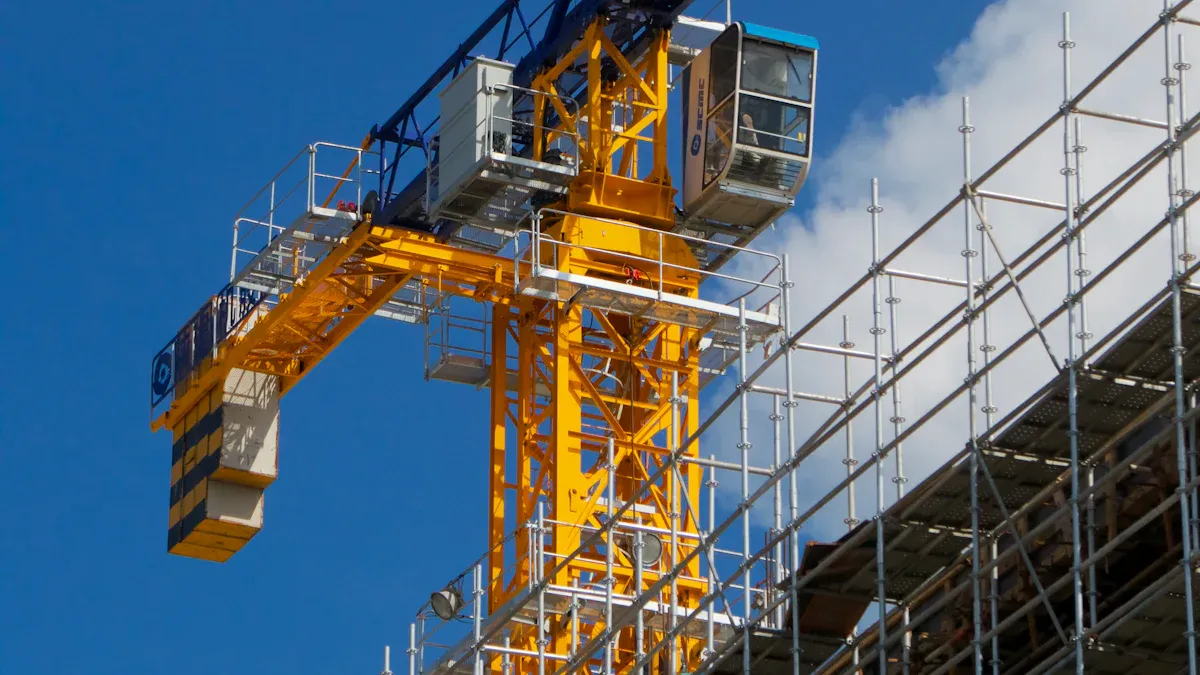
Selecting the right hydraulic winch for crane applications is crucial. Proper winch selection significantly impacts safety and efficiency in operations. Hydraulic winches can handle loads exceeding 10 tons and feature overload protection, ensuring stable operation even in harsh conditions. Informed decision-making based on specific application requirements enhances overall performance.
Key Takeaways
- Choose the right type of hydraulic winch based on your specific application needs. Single drum winches are ideal for lighter loads, while double drum winches offer better control for heavier tasks.
- Always assess the load capacity requirements before selecting a winch. Ensure the winch can handle at least 20% more than the maximum expected weight to enhance safety.
- Consider environmental factors such as temperature and humidity when selecting a winch. Choose models made from durable materials to withstand harsh conditions and prolong lifespan.
Types of Hydraulic Winches
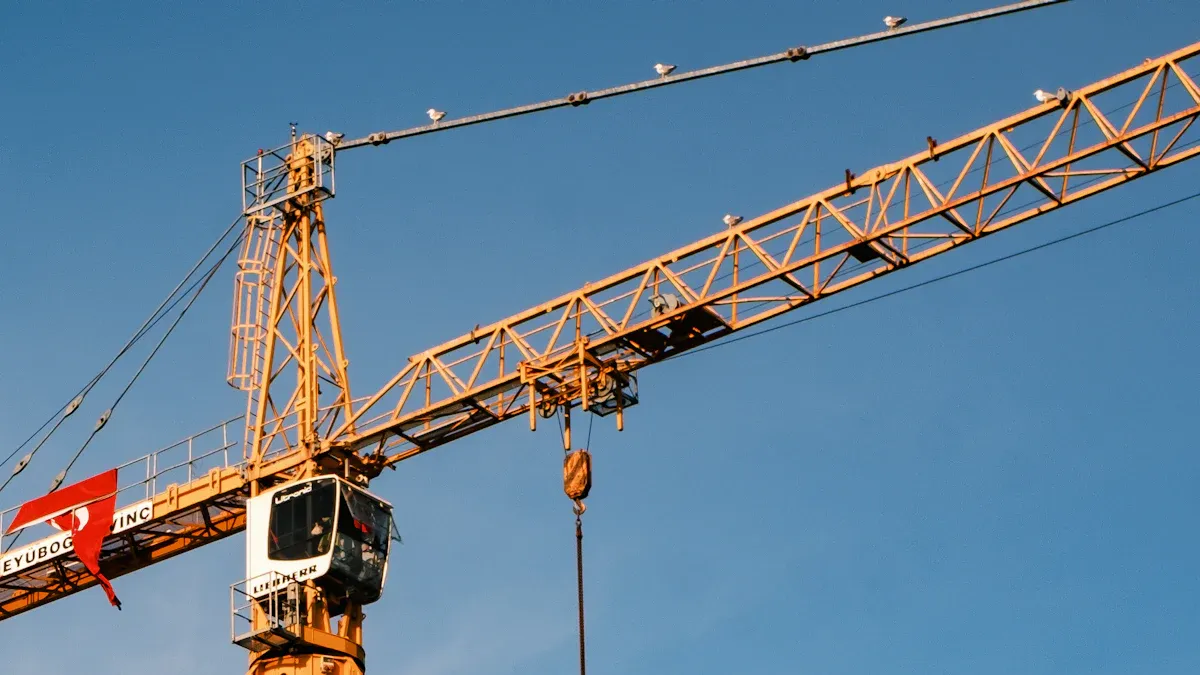
Hydraulic winches come in various types, each designed for specific applications. Understanding these types helps users select the right winch for their needs.
- Single Drum Winches:
- These winches feature one drum for winding the cable. They are simple in design and often used for lighter loads. Single drum winches are ideal for applications where space is limited.
- Double Drum Winches:
- Double drum winches have two drums, allowing for more complex operations. They can lift heavier loads and provide better control during lifting. This type is suitable for construction sites where precision is crucial.
- Capstan Winches:
- Capstan winches utilize a vertical drum. They are excellent for pulling applications and can handle various cable types. These winches are often used in marine and industrial settings.
- Portable Winches:
- Designed for mobility, portable winches are lightweight and easy to transport. They are perfect for smaller jobs or remote locations where larger winches cannot operate.
Tip: When choosing a hydraulic winch, consider the specific requirements of your project. Each type offers unique advantages that can enhance efficiency and safety.
Selecting the right type of hydraulic winch ensures optimal performance and reliability in tower crane applications.
Electric vs. Hydraulic Winches
When selecting a winch for tower crane applications, understanding the differences between electric and hydraulic winches is essential. Each type has unique advantages and disadvantages that can impact performance and suitability for specific tasks.
| Type of Winch | Advantages | Disadvantages |
|---|---|---|
| Electric Winch | - Reliable and efficient with various sizes available | - Power availability can be an issue |
| - Quiet operation, enhancing job site communication | - Variable frequency drives are more expensive than hydraulic controls | |
| - Clean power, reducing environmental risks | - Motors may need upsizing for continuous duty | |
| - Wide variety of control features available | ||
| Hydraulic Winch | - Ideal for applications without electric power | - Requires a hydraulic power source, which may not always be available |
| - Better for variable speed control without costly VFDs | - Risk of hydraulic fluid leaks and sprays | |
| - No electrician needed for installation | ||
| - Suitable for hazardous site conditions |
Electric winches offer reliability and quiet operation, making them suitable for many environments. However, they depend on a stable power supply, which can limit their use in remote locations. In contrast, hydraulic winches excel in situations where electric power is unavailable. They provide excellent control and are often more adaptable to challenging conditions.
Ultimately, the choice between electric and hydraulic winches depends on the specific requirements of the project. Evaluating the advantages and disadvantages of each type will help ensure optimal performance and safety in tower crane operations.
Single vs. Double Drum Winches
When selecting a hydraulic winch for tower crane applications, understanding the differences between single and double drum winches is essential. Each type serves distinct purposes and offers unique advantages.
Single Drum Winches
Single drum winches feature one drum for winding the cable. Their simple design makes them compact and lightweight. These winches are ideal for light to moderate lifting and pulling tasks. Common applications include general material handling and towing scenarios.
Double Drum Winches
Double drum winches have two independent drums, allowing for simultaneous cable operation. This design increases flexibility and efficiency, making them suitable for complex tasks. They excel in construction sites with varied lifting requirements and are also effective in marine applications where multiple cables are necessary.
| Winch Type | Features | Applications |
|---|---|---|
| Single Drum Winch | - One drum for winding cable. | - Light to moderate lifting and pulling tasks. |
| - Simple design, compact, and lightweight. | - General material handling and towing scenarios. | |
| Double Drum Winch | - Two independent drums for simultaneous cable operation. | - Construction sites with varied lifting requirements. |
| - Increased flexibility and efficiency for complex tasks. | - Marine applications with multiple cables. |
Tip: Choose a single drum winch for straightforward tasks and a double drum winch for more complex operations. Understanding these differences will help ensure optimal performance in tower crane applications.
By evaluating the specific needs of a project, operators can make informed decisions about which winch type best suits their requirements.
Key Factors to Consider
Selecting the right hydraulic winch for crane applications involves several critical factors. Each factor plays a significant role in ensuring safety, efficiency, and reliability during operations. Here are the key considerations:
- Load Requirements and Capacity: The winch must handle the maximum expected load with an adequate safety margin. Operators should assess the heaviest loads they will lift and choose a winch that exceeds this capacity. This ensures that the hydraulic winch for crane applications operates safely under all conditions.
- Environmental Operating Conditions: The materials used in the winch should withstand specific environmental challenges. For instance, if the crane operates in harsh weather or corrosive environments, selecting a winch with appropriate protective coatings and materials is essential. This consideration helps prolong the winch's lifespan and maintain its performance.
- Power Source and Hydraulic System Compatibility: It is crucial to verify that the winch integrates well with the crane's hydraulic system. Operators should ensure that the hydraulic power source can provide the necessary pressure and flow rates required for the winch's operation. Compatibility between the winch and the crane's hydraulic system enhances overall efficiency.
- Installation and Maintenance Requirements: Ease of installation and long-term maintenance needs should not be overlooked. A winch that is simple to install can save time and reduce labor costs. Additionally, operators should consider the maintenance requirements to ensure that the winch remains in optimal working condition throughout its service life.
- Regulatory Compliance and Safety Features: Selecting winches that meet industry safety standards is vital. Operators should look for features such as overload protection, emergency stop mechanisms, and safety interlocks. These features enhance safety and help prevent accidents on the job site.
By carefully evaluating these factors, operators can make informed decisions when choosing a hydraulic winch for crane applications. This thorough approach ensures that the selected winch meets the specific needs of the project while maintaining high safety and efficiency standards.
Load Capacity Requirements
Selecting the appropriate load capacity for hydraulic winches is vital for safe and efficient tower crane operations. Operators must assess the maximum loads they expect to lift. This assessment ensures that the winch can handle the weight without compromising safety.
Two primary types of winches are commonly used in tower cranes: the main winch and the fly winch. Each type has specific load capacity recommendations. The following table outlines these capacities:
| Winch Type | Load Capacity |
|---|---|
| Main Winch | 50 tonnes |
| Fly Winch | 10 tonnes |
The main winch typically handles heavier loads, making it suitable for lifting substantial materials. In contrast, the fly winch is designed for lighter loads, often used for smaller components or tools.
Tip: Always choose a winch with a load capacity that exceeds the maximum expected weight. This practice provides a safety margin and reduces the risk of equipment failure.
Operators should also consider the dynamic loads that may occur during lifting operations. Factors such as wind, sudden movements, and load swings can increase the effective weight on the winch. Therefore, selecting a winch with a higher capacity than the static load is essential.
By understanding load capacity requirements, operators can make informed decisions. This knowledge enhances safety and efficiency in tower crane applications, ensuring smooth operations on construction sites.
Environmental Conditions
Environmental conditions significantly influence the performance and selection of hydraulic winches for tower crane applications. Operators must consider factors such as temperature, humidity, and exposure to harsh elements.
Extreme temperatures can affect the functionality of hydraulic winches. Winches designed for outdoor use should operate effectively in a wide temperature range. For instance, many hydraulic winches can function in temperatures from -40℃ to 50℃. This capability ensures reliable operation in both freezing and scorching environments.
Humidity also plays a crucial role. High humidity can lead to corrosion, affecting the winch's longevity. Therefore, selecting winches made from high-quality materials is essential. These materials can withstand tough conditions and resist wear over time.
Wind and precipitation are additional environmental factors to consider. Wind can create dynamic loads that increase the effective weight on the winch. Heavy rain or snow can also impact visibility and safety on the job site. Operators should ensure that the winch has features to handle these conditions effectively.
| Feature | Description |
|---|---|
| Weight Capacity | 10-10000 Kg, suitable for various materials |
| Operation Temperature | -40℃ to 50℃, withstands extreme weather |
| Durability | Made with high-quality materials for tough conditions |
Tip: Always assess the specific environmental conditions of the job site. This assessment helps in selecting a hydraulic winch that meets the demands of the project while ensuring safety and efficiency.
By understanding these environmental factors, operators can make informed decisions when choosing hydraulic winches for tower crane applications.
Safety Features
Safety features play a crucial role in the operation of hydraulic winches for tower cranes. These features ensure that operators can perform lifting tasks without compromising safety. Here are some essential safety features to consider:
- Overload Protection: This feature prevents the winch from lifting loads that exceed its capacity. It automatically stops operation when the load limit is reached, reducing the risk of equipment failure.
- Emergency Stop Mechanism: An emergency stop button allows operators to halt the winch immediately in case of an emergency. This feature is vital for preventing accidents and ensuring quick responses to unexpected situations.
- Safety Interlocks: These mechanisms prevent the winch from operating under unsafe conditions. For example, they can ensure that the winch only operates when the load is properly secured.
- Load Indicators: These devices provide real-time feedback on the weight being lifted. Operators can monitor the load and make informed decisions during operations.
Additionally, compliance with safety standards is essential for hydraulic winches. The following table outlines relevant standards that apply to hydraulic winches in tower crane operations:
| Standard | Description |
|---|---|
| ASME B30 | Applies to winches powered by various means, including hydraulics. |
| ASME B30.3 | Specifically applies to construction tower cranes, including those using hydraulic winches. |
Tip: Always verify that the hydraulic winch meets industry safety standards. This verification enhances safety and reliability during crane operations.
By prioritizing safety features, operators can significantly reduce risks and enhance the overall efficiency of tower crane operations.
Comparing Specifications

When selecting a hydraulic winch for crane applications, comparing specifications is essential. Key specifications include lifting speed, power consumption, and reliability. Each of these factors significantly influences the performance of the winch in demanding environments.
Lifting Speed
Lifting speed refers to how quickly a winch can raise or lower a load. Hydraulic winches typically excel in this area, offering superior pulling power and endurance. They maintain consistent performance under load, which is crucial for efficient operations. In contrast, electric winches may achieve higher line speeds when operating under light or no-load conditions. However, they often experience power sag when heavily loaded. This difference highlights the trade-offs between lifting speed and reliability.
Power Consumption
Power consumption is another critical specification. Hydraulic winches operate continuously without overheating, making them ideal for extended use. They provide stable power output, ensuring reliable performance throughout their operation. Electric winches, on the other hand, require cooling periods after short bursts of heavy use. This limitation can hinder their effectiveness in high-demand situations. Hydraulic winches also avoid the risk of voltage drop, which can occur in electric models as battery levels decrease. This characteristic makes hydraulic winches a preferred choice for continuous operation under load.
Reliability
Reliability is paramount in crane operations. Hydraulic winches offer superior reliability due to their higher torque output and effective heat dissipation. They maintain consistent performance without the risk of overheating or power loss. Electric winches, while efficient in certain scenarios, may struggle under heavy loads. This inconsistency can lead to operational delays and safety concerns. Therefore, operators often favor hydraulic winches for their dependable performance in challenging conditions.
Performance Metrics
Evaluating performance metrics is essential when selecting hydraulic winches for tower crane applications. Operators should focus on several key metrics to ensure optimal performance and reliability.
- Lifting Speed:
- This metric indicates how quickly the winch can raise or lower loads. Hydraulic winches typically offer superior lifting speeds, which enhances operational efficiency.
- Power Efficiency:
- Power efficiency measures how effectively the winch converts hydraulic energy into lifting power. High efficiency reduces operational costs and minimizes energy waste.
- Duty Cycle:
- The duty cycle defines the winch's operational limits. It indicates how long the winch can operate under load before requiring rest. A higher duty cycle allows for extended use without overheating.
- Load Stability:
- Load stability refers to the winch's ability to maintain control over the load during lifting. Hydraulic winches excel in this area, providing smooth and steady lifting motions.
- Response Time:
- Response time measures how quickly the winch reacts to operator commands. A shorter response time enhances safety and efficiency, allowing for precise control during operations.
Tip: When assessing hydraulic winches, operators should prioritize these performance metrics. Understanding these factors ensures that the selected winch meets the specific demands of tower crane applications.
By focusing on these performance metrics, operators can make informed decisions that enhance safety and efficiency in their lifting operations.
Durability and Maintenance
Durability is a critical factor when selecting hydraulic winches for tower cranes. These winches must withstand harsh conditions and heavy loads. Operators should prioritize winches made from high-quality materials that resist wear and corrosion. This choice ensures reliable performance over time.
Regular maintenance is essential to keep hydraulic winches in optimal condition. Operators should follow a structured maintenance schedule to prevent unexpected failures. Here are typical maintenance requirements:
- Daily Checks:
- Inspect the oil level.
- Examine the breather valve.
- Assess the overall condition of the winch.
- Check the ratchet mechanism.
- Warm up the hoist before use.
- Quarterly Checks:
- Conduct brake inspections.
- Look for signs of corrosion.
- Perform oil sampling to monitor quality.
- Annual Inspection:
- Change the oil and clean the vent plug.
- Check for shock loading damage.
- Test the brakes to ensure they function correctly.
- Teardown Inspection:
- Every 3 to 5 years, perform a full teardown, especially if the winch lifts people.
Tip: Following these maintenance practices enhances the durability and reliability of hydraulic winches. Regular inspections help identify potential issues before they escalate, ensuring safe and efficient operations on construction sites.
By prioritizing durability and adhering to a maintenance schedule, operators can maximize the lifespan of hydraulic winches and maintain high safety standards.
Recommendations for Specific Applications
When selecting hydraulic winches for specific applications, operators should consider the unique demands of each scenario. Here are tailored recommendations for various environments:
- Heavy Lifting Scenarios:
- Use double drum hydraulic winches. These winches provide better control and can handle larger loads effectively.
- Ensure the winch has a load capacity exceeding the maximum expected weight by at least 20%. This safety margin enhances reliability.
- Urban Construction Sites:
- Opt for compact single drum winches. Their smaller footprint allows for easier maneuverability in tight spaces.
- Choose winches with overload protection features to enhance safety in densely populated areas.
- Marine Applications:
- Select capstan winches for their ability to handle various cable types and their effectiveness in pulling applications.
- Ensure the winch is made from corrosion-resistant materials to withstand harsh marine environments.
- Remote Locations:
- Consider portable hydraulic winches. Their lightweight design makes them easy to transport and set up in challenging terrains.
- Verify compatibility with available hydraulic power sources to ensure efficient operation.
Tip: Always assess the specific requirements of your project before making a selection. Tailoring the winch choice to the application ensures optimal performance and safety.
By following these recommendations, operators can enhance the efficiency and safety of their hydraulic winch operations across various applications.
Heavy Lifting Scenarios
In heavy lifting scenarios, selecting the right hydraulic winch is crucial for ensuring safety and efficiency. Hydraulic winches excel in demanding applications due to their robust design and high lifting capacity. They can operate continuously without overheating, making them ideal for extended use. This endurance is essential when lifting heavy loads, such as oversized machinery.
Key features of hydraulic winches for heavy lifting include:
| Feature | Description |
|---|---|
| High Lifting Capacity | A 12-ton winch with a 24,000 lbs line pull is ideal for moving oversized machinery and heavy loads. |
| Hydraulic Power Advantages | Hydraulic winches can run continuously without overheating, providing endurance and consistent torque. |
| Durability | Designed for harsh conditions, these winches are resistant to extreme weather and corrosion. |
| Safety Features | Normally closed brakes ensure loads are held securely, even during power failures. |
| Hydraulic Efficiency | Quicker line speeds and load-limiting devices prevent over-pulling, enhancing safety and performance. |
Hydraulic winches outperform electric winches in heavy lifting tasks. They handle higher capacity loads consistently, making them suitable for rigorous applications. Their robust construction and high-quality components contribute to their reliability in demanding environments. Operators can trust hydraulic winches to deliver the power and performance needed for heavy lifting scenarios.
Tip: Always assess the specific lifting requirements before selecting a hydraulic winch. This assessment ensures optimal performance and safety during operations.
Urban Construction Sites
Urban construction sites present unique challenges, including limited space and noise restrictions. Hydraulic winches offer effective solutions to these issues, making them ideal for such environments. Their compact design allows for high power-to-size ratios, delivering exceptional pulling force without occupying excessive space. This feature is crucial in crowded urban settings where maneuverability is essential.
Additionally, hydraulic winches operate smoothly, providing consistent torque without jerking. This smooth operation enhances control during delicate lifting tasks, reducing the risk of accidents. Operators can perform precise movements, which is vital when working near other structures or personnel.
Another significant advantage is the remote operation capability of hydraulic winches. Operators can control these winches from a safe distance using hydraulic control valves or wireless systems. This feature not only improves safety but also minimizes noise exposure on the job site.
The following table summarizes how hydraulic winches address space and noise constraints in urban construction environments:
| Feature | Description |
|---|---|
| High Power-to-Size Ratio | Delivers exceptional pulling force from a compact design, ideal for space-constrained environments. |
| Smooth Operation | Provides consistent torque without jerking, enhancing control during delicate lifting tasks. |
| Remote Operation Capability | Can be operated from a safe distance using hydraulic control valves or wireless systems. |
Tip: When selecting hydraulic winches for urban construction, prioritize models that emphasize compactness and smooth operation. These features will enhance safety and efficiency on the job site.
By choosing the right hydraulic winch, operators can navigate the complexities of urban construction while maintaining high safety and efficiency standards.
Common Mistakes to Avoid
When selecting hydraulic winches for tower crane applications, operators often make several common mistakes. Avoiding these errors can enhance safety and efficiency on the job site.
- Underestimating Load Requirements:
- Many operators fail to accurately assess the maximum load they will lift. This oversight can lead to selecting a winch that cannot handle the weight, risking equipment failure and accidents.
- Ignoring Environmental Factors:
- Operators sometimes overlook the impact of environmental conditions. High humidity, extreme temperatures, and exposure to corrosive elements can affect winch performance. Choosing a winch without considering these factors may lead to premature wear and failure.
- Neglecting Safety Features:
- Some users prioritize cost over safety features. Skipping essential safety mechanisms, such as overload protection and emergency stop buttons, can increase the risk of accidents on the job site.
- Failing to Verify Compatibility:
- Operators often neglect to check if the winch is compatible with the crane's hydraulic system. Incompatibility can lead to inefficient operation and potential damage to both the winch and crane.
- Overlooking Maintenance Needs:
- Regular maintenance is crucial for hydraulic winches. Operators sometimes forget to follow maintenance schedules, leading to unexpected breakdowns and costly repairs.
Tip: Always conduct thorough research and assessments before selecting a hydraulic winch. Avoiding these common mistakes will ensure safer and more efficient operations.
Underestimating Load Needs
Underestimating load needs can lead to significant operational failures in tower crane applications. Operators must accurately assess the maximum loads they expect to lift. This assessment ensures that the selected hydraulic winch can handle the weight safely.
A load chart serves as a vital tool in this process. It links equipment performance with actual operations. The chart visually presents safety limits and key parameters affecting lifting capacity. Adhering to the load chart helps prevent overloading, which is critical for avoiding accidents.
Incorporating a Knowledge-Based Decision-Support System for Safety Risk Assessment (KBDSS-SRA) can further enhance safety. This system evaluates risks associated with tower crane operations. It compiles essential risk factors and identifies critical safety risks. By automating the safety risk assessment process, it aids safety management personnel in making informed decisions. This approach significantly reduces the likelihood of operational failures.
Operators should also consider dynamic loads that may occur during lifting. Factors such as wind, sudden movements, and load swings can increase the effective weight on the winch. Therefore, selecting a winch with a higher capacity than the static load is essential.
Tip: Always choose a winch with a load capacity that exceeds the maximum expected weight. This practice provides a safety margin and reduces the risk of equipment failure.
By understanding and addressing load needs, operators can enhance safety and efficiency in tower crane operations.
Ignoring Environmental Factors
Ignoring environmental factors can lead to significant issues when selecting hydraulic winches for tower crane applications. Operators must consider how conditions like temperature, humidity, and exposure to corrosive elements affect winch performance.
- Temperature Extremes:
- Hydraulic winches should operate effectively in a wide temperature range. Winches designed for outdoor use often function well from -40℃ to 50℃. This capability ensures reliable operation in both freezing and hot environments.
- Humidity Levels:
- High humidity can lead to corrosion. Operators should select winches made from high-quality materials that resist wear and degradation over time.
- Corrosive Environments:
- In coastal or industrial areas, winches may face exposure to saltwater or chemicals. Choosing winches with protective coatings can enhance durability and performance.
| Environmental Factor | Recommended Action |
|---|---|
| Temperature | Select winches rated for extreme temperature ranges. |
| Humidity | Choose corrosion-resistant materials. |
| Corrosive Elements | Opt for winches with protective coatings. |
Tip: Always assess the specific environmental conditions of the job site. This assessment helps in selecting a hydraulic winch that meets the demands of the project while ensuring safety and efficiency.
By considering these environmental factors, operators can enhance the longevity and reliability of hydraulic winches in tower crane applications.
Choosing the right hydraulic winch for crane applications requires careful consideration of various factors. Operators must assess their specific needs before making a purchase. Prioritizing safety and efficiency ensures smooth tower crane operations. A well-selected hydraulic winch for crane enhances performance and minimizes risks on the job site.
FAQ
What is the primary advantage of hydraulic winches over electric winches?
Hydraulic winches operate effectively without electric power, making them ideal for remote locations and harsh environments.
How do I determine the right load capacity for my winch?
Assess the maximum weight you expect to lift, then choose a winch with a capacity exceeding that weight by at least 20%.
What maintenance is required for hydraulic winches?
Regularly check oil levels, inspect for corrosion, and follow a structured maintenance schedule to ensure optimal performance and longevity.
Post time: Mar-02-2026