
Selecting a marine hydraulic winch manufacturer in China demands careful evaluation. Buyers must consider key factors for informed decision-making. This process ensures the quality, reliability, and suitability of the winches for specific operational needs. Paying close attention to marine grade hydraulic components China is crucial. A reputable offshore hydraulic system factory delivers robust solutions.
Key Takeaways
- Clearly define your winch needs, like type and capacity, before looking for manufacturers.
- Check for strong product quality, important certifications, and good after-sales support from manufacturers.
- Always do thorough checks on materials, testing, and get third-party inspections to ensure winch quality.
Defining Requirements and Initial Manufacturer Identification
Identifying the right marine hydraulic winch manufacturer in China begins with a clear understanding of specific project needs. This initial phase sets the foundation for a successful procurement process. Buyers must define their operational requirements and conduct thorough preliminary research.
Winch Type, Capacity, and Operating Conditions
Buyers must first determine the exact winch type required. Chinese manufacturers offer a variety of marine hydraulic winches. These include Marine Hydraulic Single Drum Mooring Winches and Hydraulic and Electric Tugger Winches for Ships. They also supply Marine Hydraulic Waterfall Towing and Mooring Winches. Other options are Waterfall Type Electric/Hydraulic Barge Anchor Winches and Hydraulic Horizontal Anchor Handling and Towing Winches for Ships. OUCO, for example, supplies powerful marine hydraulic winches for heavy-duty marine applications. These applications include anchoring, towing, mooring, lifting, and hauling.
Capacity is another critical factor. Manufacturers like OUCO offer marine hydraulic winches with a load capacity of 10 tons. Brayden Machinery provides hydraulic winches with a rated pull load of 6 tons. JINBO MARINE's hydraulic towing winches have a rated pull from 5kN to 2000kN. Other Chinese manufacturers offer marine winches with line pull capacities up to 30,000kg. Flag-up produces marine hydraulic winches with a second layer tension of 20 KN. Buyers must match these capacities to their specific operational demands.
Control System and Certification Needs
The control system for the winch must meet operational requirements. Buyers should consider whether they need manual, semi-automatic, or fully automatic controls. Certification is also vital for marine equipment. Reputable Chinese marine hydraulic winch manufacturers commonly hold ISO certification. Products like the 'ISO Certified Hydraulic Winch Motor Automatic Brake for Marine Construction Mining Crane' demonstrate this. Another common international certification is the BV Certificate. The 'Best quality China 50ton Heavy Duty Ship Hydraulic Marine Anchor Cable Pulling Winch with BV Certificate' exemplifies this. These certifications ensure adherence to international quality and safety standards for marine grade hydraulic components China.
Online Research and Industry Referrals
Initial manufacturer identification often starts with online research. Buyers can search for manufacturers specializing in marine hydraulic winches. Industry referrals also provide valuable insights. Experienced professionals can recommend reliable suppliers. This step helps create a preliminary list of potential manufacturers.
Manufacturer Website and Company Profile Review
After compiling a list, buyers should review each manufacturer's website and company profile. This review provides information on their product range, experience, and capabilities. Look for details about their manufacturing processes and quality control. A strong online presence often indicates a professional and established company.
Key Evaluation Criteria for Marine Hydraulic Winch Manufacturers
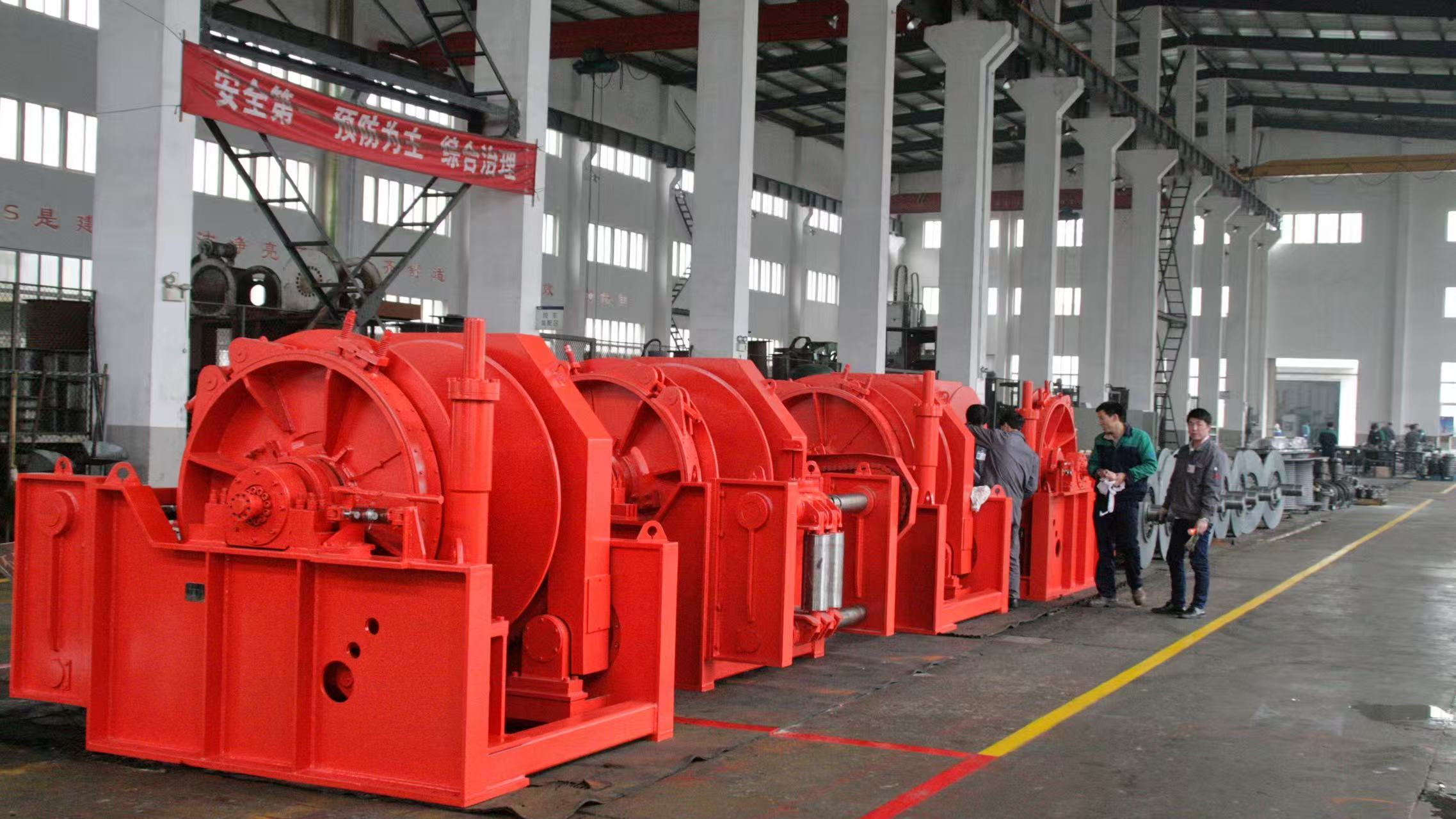
Evaluating marine hydraulic winch manufacturers requires a close look at several key areas. Buyers must assess product quality, certifications, production capabilities, and support services. This thorough review helps secure a reliable and high-performing winch solution.
Product Quality and Engineering Capabilities
A manufacturer's product quality and engineering capabilities are paramount. Advanced engineering significantly enhances motion tracking precision in hydraulic winches. For example, adaptive feed forward control compensates for non-linearities, improving operational efficiency. Manufacturers often use corrosion-resistant materials, marine-grade coatings, and robust sealing. These features endure saltwater, spray, and UV exposure in harsh marine environments. For hazardous zones, they specify explosion-proof motors and components.
Modern winches feature integrated sensing and monitoring. Sensors track pressure, temperature, speed, and line tension. This allows for predictive maintenance and remote diagnostics. Electronic control and automation manage winch speed, torque limits, and synchronized multi-winch operations. They also provide automatic positioning functions, boosting safety and productivity. Improved materials and coatings extend the life of drums, gears, and housings. Environmentally friendly fluids with lower environmental impact and improved fire resistance meet strict regulations.
Kongsberg Maritime, for instance, adopted permanent magnet (PM) technology for winches. These PM winches offer significant energy efficiency. They provide high torque and low gear ratios, resulting in low moment of inertia and excellent dynamic capability. This is vital when handling large loads. This technology also enables active heave compensation with high electrical efficiency. It allows regeneration of electrical power, showing advanced engineering for demanding marine industries.
Top manufacturers also incorporate specific design elements. A failsafe brake system, engineered to OCIMF standards, ensures optimal performance and increased safety. A marine duty paint system provides superior resistance to corrosion, abrasion, and weathering. This extends winch lifespan and reduces maintenance. Stainless steel catheads and levelwind mechanisms facilitate controlled deployment and retrieval of mooring lines. They minimize entanglement risks and enhance operational efficiency. Variable speed capabilities allow operators to adjust winch performance to specific requirements. A split drum design incorporates separate storage and tension sides for efficient handling of different mooring line types. Load monitoring capabilities provide real-time information on mooring line load. This allows operators to maintain safe working limits. Constant tensioning functionality prevents sudden line slippage and reduces accident risks. Advanced brake systems include handwheel-operated band brakes, spring-applied pneumatically or hydraulically released band brakes, and caliper brakes. These offer enhanced control, reliability, and exceptional stopping/holding capabilities. A manual lever-operated jaw clutch and caliper clutch system allows swift engagement/disengagement and ensures seamless operation. These features demonstrate a manufacturer's commitment to high-quality marine grade hydraulic components China.
Certifications and Compliance Standards
Certifications and compliance standards are non-negotiable for marine hydraulic winches. Marine winches must comply with relevant industry standards, regulations, and certifications. These standards ensure the winch meets safety, performance, and reliability criteria. Depending on the application, these may include those from ABS (American Bureau of Shipping), DNV (Det Norske Veritas), or other international maritime certifications.
New international safety standards for anchor handling winches are now in force. They set mandatory requirements for certification, testing, and in-service verification. These standards are mandatory under SOLAS Regulation II-1/3-13, as amended by IMO Resolution MSC.532(107). They entered into force on January 1, 2026. The IMO Guidelines for Anchor Handling Winches (MSC.1/Circ.1662) supplement these SOLAS amendments. New anchor handling winches, installed on or after January 1, 2026, must comply with the technical requirements in the IMO circular. They must be certified before entering service. Existing winches must undergo testing and thorough examination according to IMO guidelines. All anchor handling winches, associated equipment, and loose gear must be operationally tested, thoroughly examined, inspected, and maintained. This follows IMO guidelines under SOLAS Regulation II-1/3-13.3.
Certification for new anchor handling winches includes:
- Plan appraisal of the winch and foundation connections.
- Verification of materials.
- Survey, testing, and examination during fabrication.
- Verification of component certificates, including loose gear.
- Overload brake holding capacity (BHC) test at 110% of BHC.
- Overload testing to 110% of maximum line pull (MLP).
- Testing and thorough examination when installed on board.
For existing winches, requirements include:
- Document review, including maintenance and operations manuals.
- Survey of winch structure, foundations, and supporting structure.
Survey of wires and loose gear. - Survey of hydraulic systems, control stations, and electrical arrangements.
- Operational testing, including alarms and safety functions.
- Overload brake holding capacity test at 110% of BHC.
- Overload testing to 110% of maximum line pull (MLP).
- Thorough examination after completion of overload tests.
These requirements for existing installations must be verified no later than the first Cargo Ship Safety Construction Renewal Survey conducted on or after January 1, 2026. Shipowners and operators must follow manufacturer recommendations, industry standards, and operational profiles. Winches must be included in the onboard maintenance program. Maintenance and operational manuals must be available. Personnel must be properly qualified and familiarized with the equipment. Thorough examination and testing records must be legible, complete, and authenticated by a competent person.
Key classification societies whose certifications are critical for marine grade hydraulic components China include:
- ABS – American Bureau of Shipping
- LR – Lloyd’s Register
- DNV – Det Norske Veritas
- CSS – China Classification Society
- BV – Bureau Veritas
- RINA – Registro Italiano Navale
- NK – Nippon Kaiji Kyokai
- DNV-GL – Det Norske Veritas – Germanischer Lloyd
- IRS – Indian Register of Shipping
- KR – Korean Register
- RS – Russian Maritime Register of Shipping
These systems are used in marine and offshore operations globally. Offshore units may also require IMCA or SOLAS emergency release certification and pressure integrity testing. Hydraulic lifting winches, marine winches, anchor towing, drilling rig/excavator boat/crane winches are available with ABS, BV, and CCS certificates.
Manufacturing Facilities and Production Capacity
A manufacturer's facilities and production capacity reflect its ability to deliver orders efficiently. For example, one Chinese manufacturer, ini hydraulic, has a stated production capacity of 5000 PCS/Year for hydraulic electric winches. This indicates a significant capability to meet demand.
Top-tier factories employ advanced manufacturing technologies. These include advanced winch control systems for precise load management, speed control, and real-time monitoring. This enhances operator control, safety, and operational efficiency. Smart Technology Integration (IoT) allows seamless connectivity and data exchange. It enables remote monitoring, performance optimization, and predictive maintenance through real-time insights. Remote monitoring and control facilitate managing winch operations from a distance. This improves safety by reducing personnel exposure to hazardous areas and boosts operational efficiency. Preventative maintenance solutions use smart sensors to collect data on parameters like load and temperature. This predicts potential issues for timely maintenance and reduces unexpected breakdowns. Energy efficiency and sustainability features, such as variable frequency drives and regenerative braking systems, minimize energy consumption and environmental impact. Ningbo Flag-up Hydraulic Co., Ltd., a pioneer in advanced hydraulic winches, employs lean manufacturing principles. They ensure their marine hydraulic winches meet high standards of quality and performance. They also integrate advanced materials, digital control systems, and smart technologies to enhance winch capabilities.
After-Sales Support and Service Offerings
Reliable after-sales support is crucial for long-term operational success. Chinese marine hydraulic winch manufacturers are noted for providing good after-sales service and support. Common offerings include:
- Online Video Support
- Free Parts
- Online Guidance
These services ensure that buyers receive assistance for installation, troubleshooting, and maintenance. This minimizes downtime and extends the winch's lifespan.
Company Reputation and Experience
A manufacturer's reputation and experience provide confidence in their products and services. Indicators of a strong reputation include:
- Adherence to strict safety standards and regulations.
- Compliance with international standards such as ABS, DNV GL, and Lloyd’s Register.
- Inquiry about the manufacturer’s internal safety testing procedures and protocols.
INI Hydraulic, for example, specializes in designing and manufacturing hydraulic winches, hydraulic motors, and planetary gearboxes for over 26 years. They stand as one of the leading Construction Machinery Accessory Suppliers in Asia. Their core strategy involves customizing solutions to optimize customers’ ingenious equipment designs. This helps maintain a robust market presence. They commit to continuous innovation to satisfy customer needs. Their product line includes a wide range of self-developed, closely correlated items. These include hydraulic and electric winches, planetary gearboxes, slewing drives, transmission drives, hydraulic motors, pumps, and hydraulic systems. Initially developed for pipeline construction, their winch series accounted for 95% of pipe laying machines in China. They subsequently expanded into ship and deck machinery, construction engineering, and vehicle transportation fields. Customer feedback consistently validates their quality and reliability. This is evident through positive reviews and continuous repeat orders from worldwide customers.
Pricing and Payment Terms Transparency
Clear pricing and flexible payment terms are important for a smooth transaction. Manufacturers typically offer various payment options. These include T/T (Telegraphic Transfer), Western Union, and L/C (Letter of Credit). They also show flexibility for other local bank requirements. Common trade terms include EX-Works, FOB (Free On Board), CFR (Cost and Freight), and CIF (Cost, Insurance, and Freight). Common loading ports include Qingdao, Shanghai, Ningbo, Yiwu, and Guangzhou. Buyers should ensure complete transparency in all pricing and payment discussions.
Assessing Marine Grade Hydraulic Components China and Due Diligence
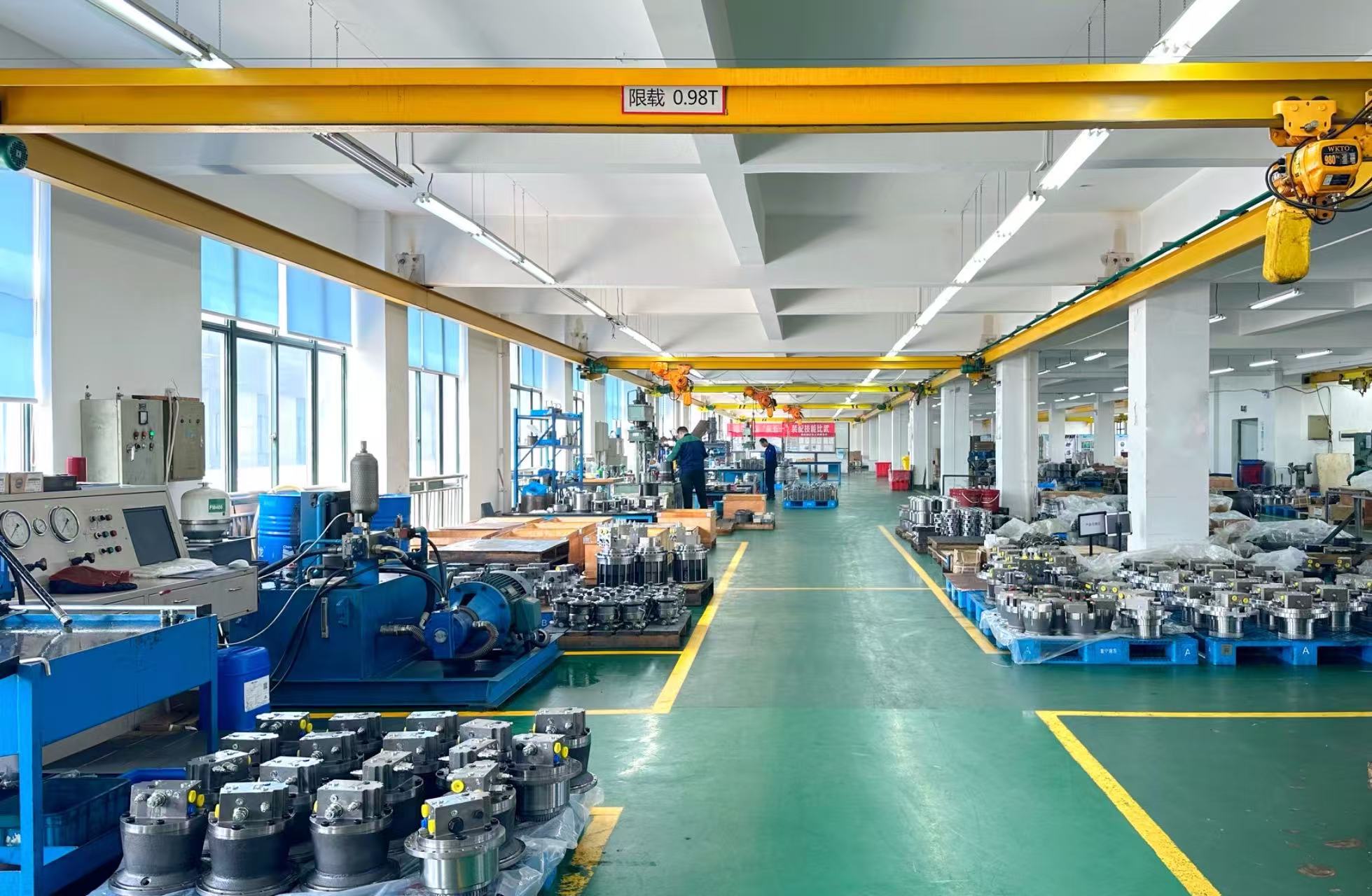
Thorough due diligence is essential when evaluating marine hydraulic winch manufacturers in China. This process involves a detailed examination of their components, adherence to standards, and operational transparency. Buyers must ensure they select a partner who delivers reliable and high-quality equipment.
Material Selection and Component Sourcing
The quality of a marine hydraulic winch begins with its materials and components. Manufacturers must select robust, corrosion-resistant materials suitable for harsh marine environments. This includes high-grade steel for structural parts and specialized alloys for critical hydraulic elements. Reputable manufacturers source their marine grade hydraulic components China from trusted suppliers. They ensure these components meet stringent quality benchmarks. This careful selection directly impacts the winch's durability and performance.
Design and Manufacturing Standards Adherence
Adherence to established design and manufacturing standards is critical for marine hydraulic winches. These standards guarantee safety, performance, and reliability. ISO 5556:2023, for example, is a crucial design standard. It specifically applies to single-drum winches used in oceanographic research. This standard outlines requirements for design, construction, safety, performance, and acceptance testing for these winches.
Reputable marine winch manufacturers adhere to several international safety and quality standards. These standards guarantee the durability and performance of marine hydraulic winches. These include:
- ISO (International Organization for Standardization)
- ABS (American Bureau of Shipping)
- DNV-GL (Det Norske Veritas - Germanischer Lloyd)
- Lloyd’s Register
- ISO 4861:2023 (specifically for hydraulic or electric winches in piling barge systems)
Manufacturers who follow these guidelines demonstrate a commitment to producing high-quality marine grade hydraulic components China.
Testing and Quality Control Procedures
Rigorous testing and quality control procedures are vital before any marine hydraulic winch leaves the factory. A crucial test is the Winch Brake Holding Test. This test confirms the brake's slip point at the correct load before the line fails. The procedure involves several steps:
- Preparation for the test.
- Inspection of all components.
- Setup using a hydraulic jack and pressure gauge.
- Calculation of the required force, approximately 60% of the Safe Dynamic Maximum Breaking Load (SDMBL).
- Gradual application of pressure until the brake slips.
- Adjustment of the brake as needed.
- Record-keeping of the test results.
Before final delivery, hydraulic winches must undergo relevant inspections and tests. This includes a trial run if feasible. During operation, continuous inspection of components for any abnormalities is essential. Operators must not exceed 80% of the Safe Dynamic Maximum Breaking Load (SDMBL). They must also maintain a safe distance from snap-back zones.
Effective Communication Strategies
Clear and effective communication with the manufacturer is paramount throughout the procurement process. Buyers should establish open channels for discussing technical specifications, production schedules, and any potential issues. A manufacturer that communicates promptly and transparently builds trust and ensures a smoother transaction. This proactive approach helps prevent misunderstandings and delays.
Detailed Quotations and Technical Drawings
Manufacturers should provide detailed quotations and comprehensive technical drawings. These documents offer a clear understanding of the product and its costs. A detailed quotation should include:
- Loading capacity
- Rope capacity
- Working speed
- Driven type
- Quality of the winch
- Manufacturer details
- Pull force
- Drive type
- Working conditions
- Intended use
- Price
Technical drawings provide essential visual information about the winch's design, dimensions, and component layout. Buyers use these to verify the winch meets their exact requirements.
Contract Review and Negotiation
A thorough review of the contract is a critical step. Buyers must understand all terms and conditions, including warranty, delivery schedules, payment terms, and dispute resolution mechanisms. Negotiation allows buyers to clarify any ambiguities and ensure the contract protects their interests. Legal counsel can assist in this process.
Independent Third-Party Inspections
Engaging independent third-party inspectors offers an additional layer of assurance. These inspections provide unbiased assessments of the winch's quality and compliance. The benefits of conducting independent third-party inspections for marine hydraulic winches include:
- Ensuring compliance with industry standards and regulations.
- Providing unbiased assessments.
- Enhancing safety by identifying potential hazards.
- Improving efficiency.
- Reducing downtime.
- Offering official documentation for regulatory and client purposes.
- Leading to optimal equipment condition.
- Minimizing operational failures, accidents, and costly repairs.
- Underscoring a commitment to safety and quality.
These inspections verify the manufacturer's claims and ensure the winch meets all specified requirements before shipment.
A systematic evaluation ensures reliable manufacturer selection. This process involves careful assessment of all criteria. Thorough due diligence and clear communication are crucial for success. Buyers secure a high-quality winch solution for their operational demands. This guarantees optimal performance and longevity.
FAQ
What certifications should marine hydraulic winches have?
Marine hydraulic winches need certifications like ABS, DNV, Lloyd's Register, and ISO. These ensure safety and quality standards. They confirm the winch meets international requirements.
Why is after-sales support crucial for marine winches?
After-sales support minimizes downtime. It provides assistance for installation, troubleshooting, and maintenance. This extends the winch's lifespan and ensures continuous operation.
How does a manufacturer's experience benefit buyers?
An experienced manufacturer, like INI Hydraulic, offers proven quality and reliability. Their long history in the industry ensures robust product designs and dependable performance.
Post time: Jan-26-2026