

Industry experts recognize that a hydraulic system delivers strong power in compact packages, making it essential for heavy machinery and precision tools. With market growth projected at a 3.5% CAGR, industries such as construction, manufacturing, and renewable energy rely on these systems for durability, control, and adaptability.
Key Takeaways
- Hydraulic systems deliver strong power in small spaces, making them ideal for heavy-duty tasks where space is limited.
- They offer precise control over speed and force, enabling smooth and accurate movements in many industries.
- Hydraulic systems have simple designs with fewer moving parts, which reduces wear and lowers maintenance needs.
Hydraulic System Power Density
Delivers Strong Force in a Compact Size
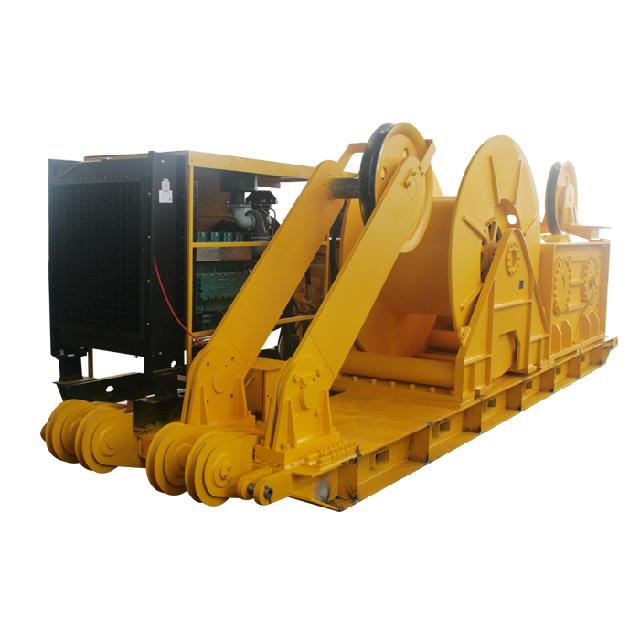
A hydraulic system stands out for its ability to deliver impressive force while maintaining a compact footprint. This unique advantage comes from the use of incompressible fluids, which transmit power efficiently and allow for high force output even in small spaces. Many industries choose hydraulic systems for heavy-duty applications where space is limited but strong force is essential.
Hydraulic systems outperform pneumatic systems in force delivery because liquids do not compress under pressure. This property enables hydraulic equipment to handle demanding tasks that require stability and strength.
- Hydraulic systems provide much higher force output than pneumatic systems.
- They suit heavy-duty applications that demand strong, stable force.
- Pneumatic systems typically offer lower force, making them better for lighter tasks.
- Hydraulic systems also offer precise control and maintain stability under high loads.
The following table highlights how design choices impact force and efficiency in compact hydraulic setups:
| Parameter | Setup-1 (40 mm drive pipe) | Setup-2 (32 mm drive pipe) |
|---|---|---|
| Theoretical Joukowsky pressure head (HJK) | 7.2 m | 7.8 m |
| Delivery pressure stability | Stable with slight oscillations | Stable with slight oscillations |
| Delivery pressure at same flow | Lower than Setup-2 | Higher than Setup-1 |
| Flow velocity during acceleration | Lower | Higher |
| System efficiency | Lower due to longer cycle | Higher due to shorter cycle |
This comparison shows that a smaller, well-designed hydraulic system can achieve higher delivery pressures and greater efficiency. Engineers can tailor hydraulic systems to maximize power density, making them ideal for modern machinery where both strength and space matter.
Hydraulic System Precise Control
Easy to Adjust Speed and Force
Precise control stands as a defining feature of modern hydraulic systems. Operators can easily adjust both speed and force, allowing for smooth and accurate movements in demanding environments. This capability supports a wide range of applications, from manufacturing presses to heavy construction equipment.
Hydraulic actuators respond quickly to control inputs, making them ideal for tasks that require rapid changes in speed or force. For example, in plastic injection molding machines, replacing fixed displacement pumps with variable stroke pumps has improved energy efficiency and reduced maintenance. Hydraulic excavators equipped with variable stroke pumps achieve better fuel efficiency and higher system performance. Fleet braking systems benefit from variable frequency drives, which enhance performance and extend equipment lifespan.
Operators in industries such as automotive assembly, warehousing, and medical care rely on hydraulic actuators for precise positioning and force control. These actuators enable quick electronic adjustments, ensuring consistent quality and safety.
Key performance indicators for precise control include:
- System pressure regulation for stable force transmission
- Flow rate control for managing speed and motion
- Fast response times to operator commands
- Component selection and sizing for reliability
- Fluid cleanliness to maintain control accuracy
| Performance Aspect | Description |
|---|---|
| Fast Response Times | Hydraulic systems deliver rapid adjustments, critical for aerospace controls and dynamic operations. |
| Precision Control | Actuators provide fine-tuned, smooth, and accurate force adjustments for stable and sensitive tasks. |
Recent advances, such as the integration of variable frequency drives and electrohydraulic controls, have further enhanced the ability to fine-tune speed and force. These innovations meet the growing demand for adaptable, energy-efficient, and quiet operation in modern industry.
Hydraulic System Smooth and Consistent Operation
Reduces Jerks and Vibrations
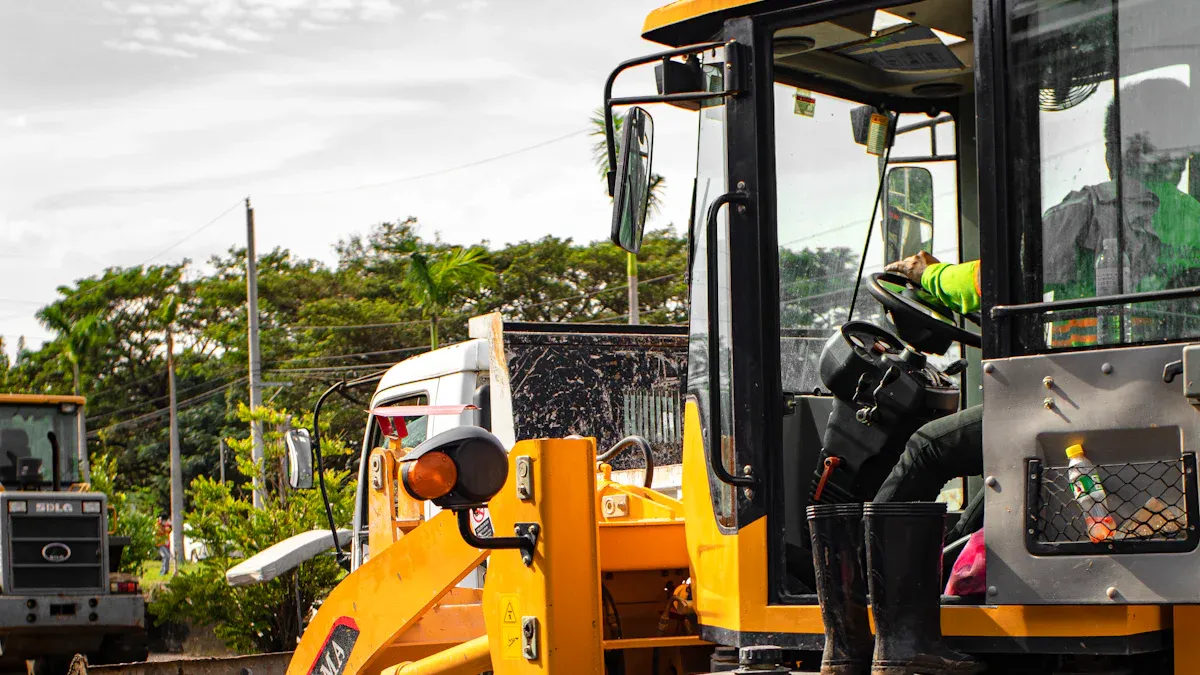
A hydraulic system delivers smooth and consistent motion, which is essential for applications that demand precision and reliability. Engineers design these systems to minimize jerks and vibrations, ensuring stable performance even under changing loads or operating conditions.
- Experimental research shows that optimizing sealing materials and surface finishes in hydraulic cylinders reduces friction. This minimizes stick-slip and eigen-vibrations, which often cause jerky motion at low speeds.
- Non-uniform movement and sudden jerks often result from inadequate sealing, manufacturing inaccuracies, or air pockets in the hydraulic oil. By selecting the right materials and integrating dampers, engineers can significantly reduce these issues.
- Advanced control technologies, such as torque and shock reduction, help eliminate unnatural system movement. These technologies transmit torque accurately and prevent sudden shudders, matching operator intent more closely.
Statistical studies confirm the operational consistency of hydraulic systems over time. Tests show that variations in load or stiffness do not significantly affect the stroke period, which means the system maintains stable performance even as conditions change. This reliability makes hydraulic systems a preferred choice in industries like aerospace and automotive, where precise vibration control is critical.
Numerical measurements further demonstrate the effectiveness of hydraulic systems in reducing vibrations. For example, vibration acceleration can decrease by up to 80% with active mass dampers, and vibration dose values drop significantly across different operating environments. These results highlight the superior ability of hydraulic systems to deliver smooth, jerk-free operation in demanding applications.
Hydraulic System Simple Design and Maintenance
Fewer Moving Parts, Less Wear
A hydraulic system offers a straightforward design that simplifies both operation and upkeep. Engineers often select hydraulic systems because they contain fewer moving parts compared to mechanical alternatives. This simplicity leads to less wear and longer service life. Technical documentation highlights that gear pumps and positive-displacement pumps in these systems feature minimal moving components. Gear pumps, for example, maintain high efficiency and durability even in harsh environments due to their simple structure. Positive-displacement pumps, including piston types, also benefit from reduced mechanical complexity, resulting in less wear and lower maintenance needs.
Maintenance records from various industries reveal several key advantages of modern hydraulic systems:
- Continuous lubrication by hydraulic fluid reduces friction and extends component life.
- Sealed hydraulic designs, such as those with integrated oil reservoirs and filters, minimize leak points and eliminate the need for frequent fluid changes.
- Fewer hoses, fittings, and connectors decrease the risk of contamination and simplify routine checks.
- Plug-and-play control packages and IoT connectivity enable predictive maintenance, allowing teams to schedule service only when necessary.
In contrast, mechanical systems often require routine lubrication and experience more frequent wear due to metal-to-metal contact. This results in more maintenance interventions and unpredictable service intervals. The robust design of a hydraulic system, with fewer and less complex parts, ensures reliability and reduces downtime. These features make hydraulic systems a preferred choice for industries seeking efficient, low-maintenance solutions.
Hydraulic System Versatility
Works in Many Industries and Environments
A hydraulic system demonstrates remarkable versatility, serving a wide range of industries and adapting to diverse environments. Companies in construction, manufacturing, mining, agriculture, and aerospace rely on hydraulic technology for its adaptability and robust performance. Engineers design hydraulic cylinders to deliver precise linear force and motion, making them essential in both industrial and mobile applications.
- Construction sites use hydraulic excavators, bulldozers, cranes, and concrete pumps for heavy lifting and precise operations.
- Aerospace engineers depend on hydraulic systems for flight control surfaces, landing gear, and braking systems, ensuring reliability under extreme conditions.
- Manufacturing plants automate production lines with hydraulic presses, injection molding machines, and robotic arms, increasing efficiency and reducing manual labor.
- Mining operations utilize hydraulic drills and loaders for excavation and material handling, while agriculture benefits from hydraulic tractors and harvesters.
Technological advancements further enhance versatility. Hybrid hydraulic excavators, such as the Caterpillar 336EH, achieve fuel savings up to 25% and boost productivity by 7%. Predictive maintenance powered by AI reduces unplanned downtime by 40% and increases asset reliability by 30%. Integration with IoT and 5G enables real-time data communication, improving energy efficiency and sustainability.
| Industry Sector | Hydraulic Application Examples | Key Performance Attributes | Quantitative Data / Impact |
|---|---|---|---|
| Construction | Excavators, cranes, concrete pumps | High power density, precise control | Enables heavy lifting, faster and safer demolition |
| Aerospace | Flight controls, landing gear, braking systems | Reliability, multiple backups | Operates under high altitudes and temperature changes |
| Manufacturing | Presses, molding, robotic arms | Large force, smooth motion, durability | Automates lines, increases efficiency, reduces labor |
| Hybrid & Intelligent Systems | Hybrid excavators, AI-driven maintenance | Enhanced efficiency, adaptability | Fuel savings up to 25%, downtime reduced by 40% |
Hydraulic systems continue to evolve, supporting eco-friendly fluids and miniaturized designs. These trends allow companies to meet global regulatory standards and operate efficiently in challenging environments.
Hydraulic systems deliver high power density, precise control, and smooth operation. Industry studies confirm their efficiency and reliability in demanding environments. Prototype testing shows reduced fuel use and improved productivity. These qualities make a hydraulic system a dependable solution for industries seeking long-term performance and easy maintenance.
FAQ
What industries benefit most from hydraulic systems?
Construction, manufacturing, mining, and aerospace industries use hydraulic systems. These sectors value high power, precise control, and reliable performance in demanding environments.
How do hydraulic systems improve equipment lifespan?
Hydraulic systems reduce wear by using fewer moving parts. Continuous lubrication from hydraulic fluid extends component life and lowers maintenance needs.
Can hydraulic systems operate in extreme environments?
Yes. Hydraulic systems function reliably in harsh conditions, including high temperatures, heavy loads, and outdoor settings. Engineers design them for durability and adaptability.
Post time: Jul-06-2025